Affiliate disclosure: As an Amazon Associate, we may earn from qualifying purchases made via links on this page — at no extra cost to you. See our Affiliate Disclosure.
Fishing gear has a way of looking more complicated than it actually is. Walk into any tackle shop or open an online catalog, and you’re immediately hit with options, specs, numbers, and opinions that all seem important. For someone new, it can feel like you’re expected to understand everything before you buy anything.
Most beginners don’t struggle because fishing is hard. They struggle because the information arrives all at once. Rods, reels, line, and combinations of all three get mixed together until it’s unclear where to start or what actually matters.
The truth is simpler than it looks. You don’t need to understand every variation or chase the “perfect” setup. You just need a basic understanding of what each piece does and how they work together. Once that clicks, the rest becomes manageable—and a lot less intimidating.
Why Rods, Reels, and Line Feel Confusing at First#
The confusion usually comes from trying to learn everything at the same time. Rods are discussed in terms of length, power, and action. Reels come with sizes and types. Line has materials, strengths, and ratings. None of it is difficult on its own, but stacked together, it feels overwhelming.
Another reason is that experienced anglers talk from experience, not from the beginner’s perspective. What sounds obvious to them can sound like a foreign language to someone just starting out. Advice gets shortened, context disappears, and beginners are left filling in gaps they don’t yet know exist.
There’s also the pressure to “buy right” the first time. Many beginners worry that one wrong choice will ruin the experience. In reality, fishing gear is far more forgiving than it appears. You can learn, adjust, and improve without starting over.
Once rods, reels, and line are looked at as simple tools instead of technical obstacles, they stop feeling confusing and start feeling useful. If you’d like to see how this gear fits into the bigger beginner picture — from choosing spots to landing your first fish — the full Fishing Basics Guide connects everything step by step.
Fishing Rod Basics: What Matters and What Doesn’t#
Fishing rods get overcomplicated faster than almost any other piece of gear. Length, power, action, materials, brand names—it’s easy to think you need to understand all of it before making a choice. You don’t.
For beginners, only a few rod characteristics actually matter. The rest becomes relevant later, once you know what kind of fishing you enjoy and how you naturally fish.
Rod Length: Why Short vs Long Changes Everything#
Rod length affects two things beginners notice right away: control and casting distance. Shorter rods feel easier to manage. They’re more precise, less awkward in tight spaces, and forgiving when your timing isn’t perfect.
Longer rods cast farther and help move line more efficiently, but they also amplify mistakes. For someone still learning how to cast smoothly, that extra length can feel like a disadvantage rather than an upgrade.
That’s why most beginners feel comfortable somewhere in the middle. A medium-length rod gives you enough reach without making everything feel harder than it needs to be.
Rod Power and Action in Plain English#
Power describes how much force it takes to bend the rod. Action describes where the rod bends. That’s it. No mystery there.
A lighter power rod bends easily and works well with smaller lures. A heavier power rod needs more force and handles bigger setups. Action simply tells you whether the rod bends mostly at the tip or along a larger portion of its length.
For beginners, medium power with a moderate or fast action tends to feel balanced. It responds clearly, doesn’t overreact, and works across many situations without forcing you to adapt constantly.
One Beginner Rod That Covers Most Situations#
Most beginners don’t need multiple rods. One well-chosen rod can handle the majority of early fishing experiences.
A medium-power rod in the 6 to 7 foot range covers an enormous amount of ground. It’s versatile, forgiving, and easy to pair with common reels and line. You won’t outgrow it quickly, and you won’t fight it while learning.
If there’s one place to keep things simple, it’s here. A solid, general-purpose rod does more for beginners than any specialized option ever will.
Fishing Reel Basics: The Simple Differences That Matter#
Reels confuse beginners for a different reason than rods. At a glance, they all look similar, but the way they behave couldn’t be more different. Small design choices change how forgiving a reel feels, especially when you’re still learning.
The goal with your first reel isn’t performance. It’s predictability. You want something that works with you, not something that demands perfect technique.
Spinning Reels: The Easiest Start for Most Beginners#
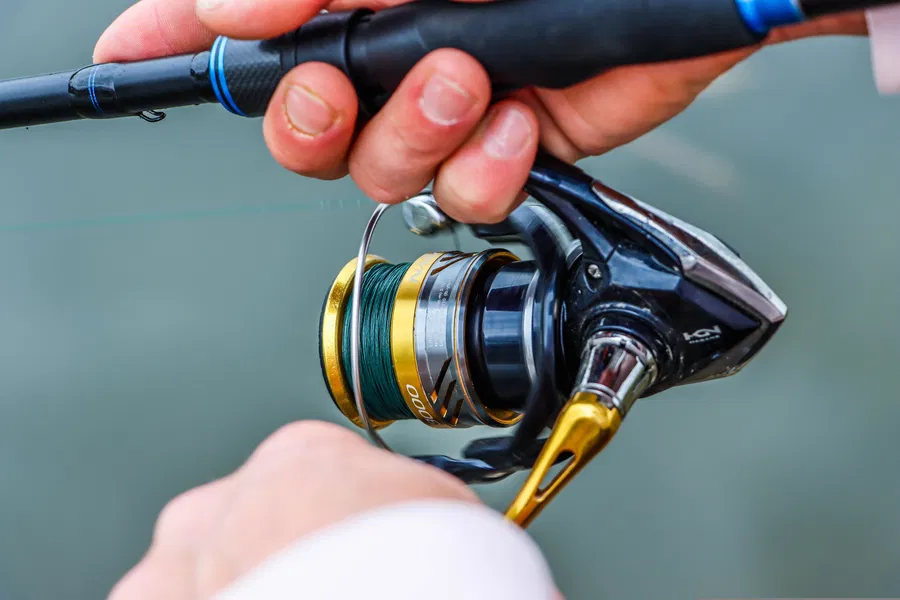
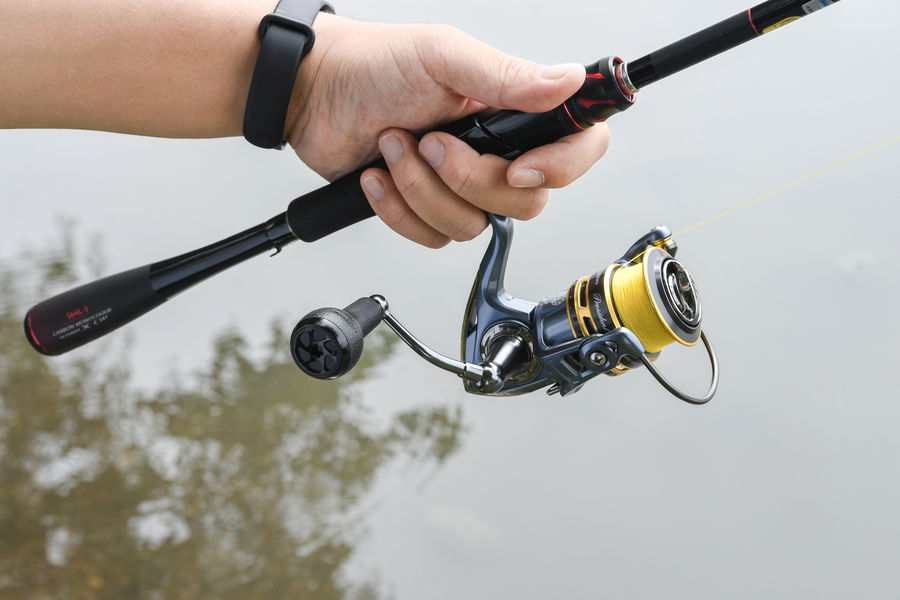
Spinning reels are the default starting point for a reason. They’re intuitive, flexible, and far less likely to punish mistakes. Line flows off the spool easily, casting feels natural, and problems are usually easy to see and fix.
They also handle a wide range of lures and line types without constant adjustment. That versatility makes spinning reels forgiving while you’re still figuring out timing, motion, and basic control.
For most beginners, a spinning reel simply gets out of the way and lets fishing happen.
Baitcasting Reels: Why They’re Not a “Level Up” Yet#
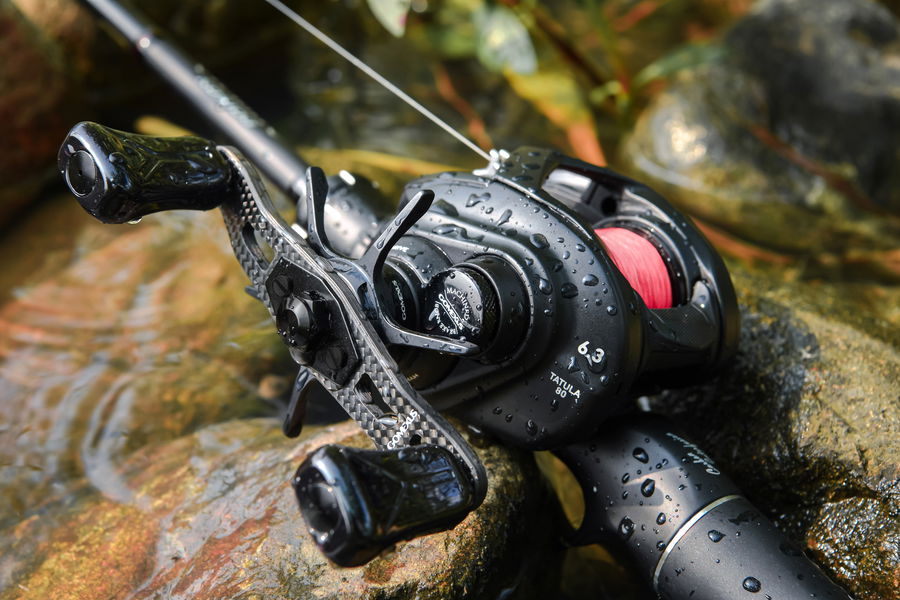
Baitcasting reels often get framed as an upgrade, but that framing is misleading. They’re different tools, not better ones. And they demand more control from the angler.
Without proper thumb control and setup, baitcasters are quick to tangle and frustrate. Those mistakes don’t teach much when you’re new—they just slow everything down.
That doesn’t mean baitcasting reels are bad. It just means they make more sense once casting feels automatic, not while you’re still thinking about every movement.
Reel Size: What Those Numbers Really Mean#
Reel sizes look technical, but they’re mostly about balance and line capacity. Smaller numbers mean lighter reels with less line. Larger numbers mean more weight and more capacity.
For beginners, mid-range sizes are usually the sweet spot. They balance well with common rod lengths and hold more than enough line for typical fishing situations.
If the reel feels comfortable on the rod and doesn’t make the setup feel front-heavy or awkward, the size is probably fine. Overthinking the numbers rarely improves the experience.
Fishing Line Basics: The Part Beginners Overthink#
Fishing line causes more second-guessing than almost anything else. Beginners worry about strength, visibility, material, and whether they’re choosing something “wrong.” In reality, line choice rarely makes or breaks early fishing experiences.
What matters most is how forgiving the line is while you’re learning. Some lines make mistakes obvious and manageable. Others magnify them.
Monofilament: The Most Forgiving Line#
Monofilament is often recommended to beginners because it behaves predictably. It stretches, absorbs sudden pulls, and doesn’t punish small errors in timing or technique.
That stretch acts like a buffer. When you set the hook too hard or a fish pulls unexpectedly, mono gives you a little margin for error. It’s also easy to handle, easy to tie, and affordable.
For beginners, monofilament keeps things calm when everything else still feels new.
Braided Line: Strong, Sensitive, and Easy to Misuse#
Braided line is strong and highly sensitive. You feel everything. That sounds appealing, but it can be overwhelming early on.
Because braid has almost no stretch, mistakes travel straight to the rod and reel. Sudden pulls, poor knots, or aggressive hooksets show up immediately—and not always in helpful ways.
Braided line shines once you understand what you’re feeling. Before that, it can add complexity instead of clarity.
Fluorocarbon: When It Helps and When It’s a Waste#
Fluorocarbon is often marketed as invisible underwater. While that can matter in certain situations, it’s rarely the deciding factor for beginners.
Fluorocarbon is stiffer and less forgiving than monofilament. It has its uses, but those uses usually appear after you’ve developed a feel for presentation and control.
For early fishing, fluorocarbon is often unnecessary. It’s not bad—it’s just not needed yet.
Line Strength: How to Choose Pound Test Without Guessing#
Pound test measures how much force the line can handle. Higher numbers don’t automatically mean better fishing.
Beginners benefit from moderate strength. Light enough to cast easily, strong enough to handle mistakes. Overly heavy line can reduce casting distance and sensitivity without providing real benefits.
If your line feels manageable, casts smoothly, and doesn’t constantly tangle, you’ve likely chosen a good strength. Fishing rewards balance more than extremes.
How Rod, Reel, and Line Work Together#
Each piece of gear makes sense on its own, but fishing becomes much easier once you see how rods, reels, and line interact. A good setup doesn’t draw attention to itself. It feels natural, balanced, and predictable.
When one part is mismatched, everything feels harder than it should.
Matching Rod and Reel So It Doesn’t Feel Awkward#
A rod and reel should feel like a single unit. If the reel is too heavy, the setup feels front-heavy and tiring. If it’s too light, control suffers.
Balance matters more than brand or price. When you hold the rod, it shouldn’t tip sharply in either direction. A balanced setup lets your wrist relax and your movements stay smooth.
If it feels comfortable in your hand, you’re already on the right track.
Common Combo Mistakes Beginners Make#
One common mistake is pairing powerful rods with reels that aren’t built to handle them. Another is using line that’s far heavier than the rod was designed for.
These mismatches don’t always break anything, but they make casting sloppy and feedback unclear. Beginners then blame themselves instead of the setup.
Gear should work with your movements, not fight them.
A Simple “Default Setup” That Just Works#
For most beginners, a medium-power spinning rod paired with a matching spinning reel and monofilament line covers a huge range of fishing situations.
It casts smoothly, handles mistakes well, and adapts easily as skills improve. You don’t need to fine-tune anything to get started. This kind of setup removes friction and lets learning happen naturally.
If fishing feels easier than expected, the combo is probably doing its job. And if you want to see how to assemble that setup in practical detail — rod, reel, and line working together — this walkthrough of a beginner fishing setup: rod + reel + line explained breaks it down clearly.
What to Buy First: A Beginner’s Short Shopping Plan#
Buying fishing gear for the first time doesn’t need to feel like a commitment. You’re not building a collection yet — you’re removing friction. The goal is to get something that works well enough that you can focus on learning, not upgrading.
The One Combo That Covers 80% of Beginner Fishing#
For most beginners, a basic spinning combo handles the majority of early fishing situations. It’s simple, versatile, and forgiving. You don’t need to mix and match parts or worry about compatibility.
A medium-power spinning combo in the 6–7 foot range is usually enough to get started without boxing yourself into a corner. It works in freshwater, from shore, and even in light saltwater conditions if needed.
If you want to see what this kind of setup looks like in practice, a simple search like
“beginner spinning combo” is more than enough. It gives you a clear reference point without pushing you toward any specific brand or model.
That’s all you need at this stage — a reference point, not a shopping spree.
What to Skip Until You’ve Fished a Few Times#
Specialized rods, advanced reels, premium line, and niche setups can wait. They solve problems you haven’t had yet.
Early on, extra options tend to distract more than they help. Fishing gets easier when decisions are limited and gear stays consistent. Once you’ve spent time on the water, you’ll know what feels limiting and what doesn’t.
Skipping unnecessary upgrades early makes later choices clearer and far more satisfying.
Fishing rods, reels, and line don’t need to be mastered before you start. They’re tools that reveal their purpose through use, not research.
When your setup feels balanced and predictable, fishing stops feeling technical and starts feeling natural. That’s when learning accelerates — and when the gear finally makes sense.