
Choosing a fishing spot sounds simple until you actually try to do it. Suddenly every lake looks too big, every shoreline looks the same, and every online recommendation points somewhere different. Beginners often assume there’s a “right” spot they’re supposed to find — and that missing it explains why nothing bites.
In reality, most bad first fishing experiences have very little to do with skill or gear. They come from starting in places that are too complicated, too crowded, or simply wrong for someone still learning how fishing works.
A good beginner fishing spot doesn’t need to be famous, scenic, or productive in a dramatic way. It needs to be forgiving. Somewhere that lets you focus on learning instead of constantly adjusting, guessing, or second-guessing every decision.
Once you understand what actually makes a spot beginner-friendly, choosing where to fish becomes much easier — and a lot less stressful.
Why Choosing the Right Fishing Spot Matters More Than Gear#
Beginners tend to worry about equipment first. The rod, the reel, the lure, the setup. But even perfect gear can’t save a bad location.
A difficult fishing spot adds pressure in ways beginners don’t always recognize. Fast-moving water, limited casting space, unpredictable conditions, or constant boat traffic all steal attention away from learning the basics. You end up reacting instead of understanding.
The right spot does the opposite. It slows things down. It gives you time to notice what your line is doing, how the water moves, and how small changes affect results. That environment quietly teaches you more than any upgrade ever will.
This is why experienced anglers can fish almost anywhere, while beginners need the right conditions to build confidence. Location doesn’t just affect how many fish you catch — it shapes how quickly fishing starts to make sense. If you want to see how spot selection fits into the bigger beginner picture — gear, simple rigs, first casts, and fish behavior — the full Fishing Basics Guide connects all of those fundamentals step by step.
Start With Places That Are Easy to Access#
When you’re just starting out, the best fishing spot is often the one that’s easiest to get to. Not the most famous lake, not the spot everyone online argues about, but the place you can reach without planning half your day around it.
Easy access lowers the barrier to actually going fishing. And going, even for a short time, matters far more than finding the “ideal” location you rarely visit.
Why Convenience Beats “Perfect” Locations#
Beginner frustration often comes from effort that doesn’t pay off. Long drives, difficult paths, or complicated entry points add pressure before you’ve even made a cast. If the spot feels like work, every slow moment feels worse.
Convenient locations make fishing casual. You can show up, fish for an hour, leave, and come back another day without turning it into a project. That repetition is what builds comfort, not chasing perfection.
How Easy Access Affects Learning and Confidence#
When access is simple, you spend more time observing and less time managing logistics. You’re calmer, more patient, and more willing to experiment.
Confidence grows faster when fishing feels approachable. The easier it is to return to the water, the quicker mistakes turn into lessons instead of discouragement.
Freshwater vs Saltwater Spots for Beginners#
Choosing between freshwater and saltwater spots isn’t about which one is “better.” It’s about which environment gives you clearer feedback while you’re still figuring things out.
Beginners benefit most from spots that react slowly and predictably. The easier it is to understand what’s happening around you, the faster fishing starts to make sense.
Why Freshwater Spots Are Easier to Read#
Freshwater spots tend to change at a gentler pace. Water levels stay relatively stable, currents are easier to notice, and fish behavior is less tied to complex timing like tides.
That slower rhythm helps beginners connect cause and effect. You change something, you wait, and you can usually tell whether it made a difference. Even when nothing bites, it’s easier to understand why.
Freshwater spots also offer more visual clues close to shore — structure, shade, depth changes — all things beginners can learn to recognize without advanced knowledge.
When Saltwater Spots Can Still Work for Beginners#
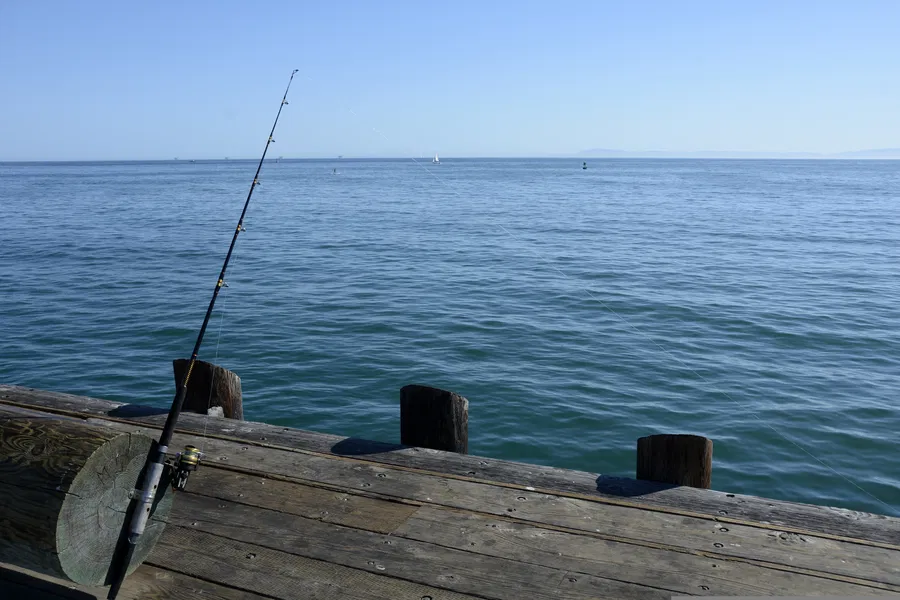
Saltwater spots can work if they’re simple and forgiving. Calm beaches, protected bays, and fishing piers remove many of the challenges that make the ocean overwhelming.
The key is avoiding places where conditions change faster than you can process them. Strong tides, heavy surf, and crowded areas make learning harder than it needs to be.
If saltwater is what you have access to, choose spots that let you stay grounded, observe quietly, and fish at your own pace. When the environment cooperates, saltwater can be just as welcoming as freshwater.
What Makes a Fishing Spot Beginner-Friendly#
Not every spot with fish is a good place to learn. Beginner-friendly spots share a few quiet qualities that make mistakes easier to handle and progress easier to notice.
You’re not looking for the best fishing spot. You’re looking for the easiest one to understand.
Calm Water and Predictable Conditions#
Calm water slows everything down. Lines behave more clearly, lures move more naturally, and small changes are easier to see. You’re not fighting wind, waves, or strong current while trying to figure out what your setup is doing.
Predictable conditions give you room to think. When the environment stays consistent, you can focus on learning instead of constantly adjusting.
Space to Cast Without Pressure#
A good beginner spot gives you physical and mental space. You’re not worrying about people behind you, boats passing close, or snagging everything in sight.
That lack of pressure matters. When you’re relaxed, casting improves, patience lasts longer, and mistakes feel like part of the process instead of public failures.
Signs That Fish Are Actually There#
Beginner-friendly spots usually show life. Small ripples, baitfish movement, birds nearby, or occasional surface activity are all good signs.
You don’t need to see fish constantly. You just need enough signs to know you’re in the right kind of place. That reassurance keeps beginners engaged long enough to learn what works.
Common Beginner Mistakes When Choosing a Fishing Spot#
Most beginners don’t choose bad spots because they’re careless. They do it because they assume fishing spots work the same way recommendations do — that the most talked-about place must be the best place to start.
That assumption causes a lot of unnecessary frustration.
Chasing Popular or Overhyped Locations#
Popular spots are popular for a reason, but that reason isn’t always beginner-friendliness. They’re often crowded, pressured, and competitive. Fish there behave differently, and mistakes are less forgiving.
Beginners end up distracted by other anglers, rushing casts, and second-guessing every move. Instead of learning, they spend the day trying not to get in the way.
Quiet, less famous spots usually teach more.
Fishing Too Far From Shore#
Many beginners believe fish are always farther out. As a result, they cast as far as possible and ignore everything close to shore.
In reality, fish often feed near edges, structure, and shallow areas — especially in beginner-friendly spots. Fishing too far out removes you from the most readable water and adds unnecessary complexity.
Staying closer helps you see what’s happening and adjust faster.
Ignoring Local Rules and Conditions#
Local regulations, seasonal rules, and simple access restrictions are easy to overlook when you’re focused on fishing itself. Beginners sometimes fish closed areas, restricted zones, or places affected by recent changes they didn’t know about.
Conditions matter too. Water levels, recent weather, and even time of day influence how a spot behaves. Ignoring those details doesn’t make fishing impossible, but it makes learning harder than it needs to be.
How to Scout a Fishing Spot Before You Fish#
Scouting doesn’t have to mean research, maps, or apps. For beginners, the most useful scouting happens right at the water, before you even set up your gear.
A few quiet minutes of observation can save you hours of guessing.
Using Simple Observation Instead of Apps#
Apps can be helpful later, but early on they often add noise. Too many pins, reports, and opinions pull your attention away from what’s actually in front of you.
Your eyes are enough to start. Look at the water. Watch how it moves. Notice where it slows down, where it changes depth, and where things break the surface. Those details tell you more than a screen ever will.
What to Look for When You First Arrive#
When you reach a spot, pause before casting. Check the shoreline for structure like rocks, fallen trees, or changes in the bank. Look for subtle movement — ripples, small fish, or birds paying attention to the water.
You’re not trying to confirm that fish will bite. You’re just making sure the spot looks alive and readable. That’s enough for a beginner.
When to Leave and Try Another Spot#
If nothing feels right after some time — no signs of life, no changes, no feedback at all — it’s okay to move. Staying too long in a dead spot teaches you very little.
Learning when to leave is part of learning how to fish. Sometimes the smartest move is packing up, walking a short distance, and giving yourself a fresh place to pay attention.
Choosing a Spot That Matches Your Skill Level#
Fishing spots don’t exist on a single difficulty scale, but your experience level still matters more than most beginners expect. A spot that feels “boring” to an experienced angler can be exactly what a beginner needs.
Learning happens faster when the environment isn’t fighting you.
Why Simpler Spots Help You Learn Faster#
Simple spots reduce noise. Fewer variables mean clearer feedback, and clearer feedback helps patterns stand out. You notice what worked, what didn’t, and why.
When everything is complicated, it’s hard to tell whether a problem comes from your technique or the spot itself. Simpler locations remove that confusion and let skills develop naturally. And once you’re fishing in a manageable spot, understanding your equipment becomes much easier too — this clear breakdown of fishing rods, reels, and line for beginners explains the basics in a way that pairs perfectly with low-pressure locations.
How Your Spot Choice Should Change Over Time#
As your confidence grows, your spot choices can change too. You’ll start seeking variety, challenge, and different conditions. What once felt overwhelming becomes interesting.
That progression should happen on its own timeline. There’s no need to rush it. Each new spot makes more sense once the basics feel familiar.
Choosing a fishing spot as a beginner isn’t about finding the best water. It’s about finding water that lets you learn without pressure. Somewhere easy to reach, easy to read, and easy to leave without frustration.
When you start there, fishing becomes less about guessing and more about understanding. And once that understanding clicks, almost any spot starts to feel like a good one.