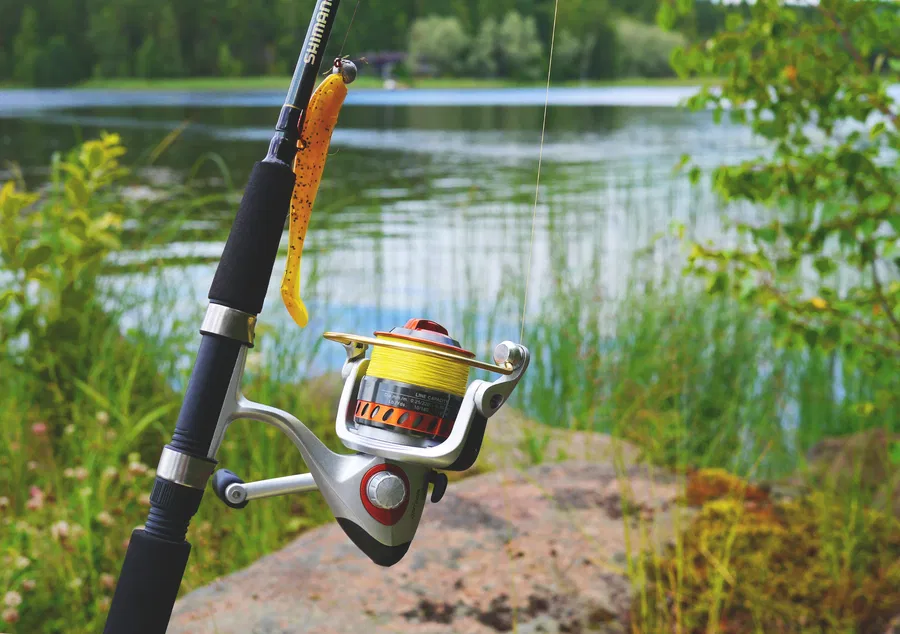

Spooling a fishing reel for the first time looks simple. In reality, it’s one of those small tasks that can quietly ruin a fishing trip if done wrong.
Too much line, and it explodes off the spool. Too little, and casting distance suffers. Wrong tension, and you end up fighting twists and tangles before you even make your first cast.
The good news is that spooling a reel isn’t complicated. It just requires attention to a few details that beginners often skip. Once you understand the mechanics, the process becomes quick, repeatable, and predictable.
This guide walks you through exactly how to spool a fishing reel for the first time—step by step—so your setup feels smooth from the very first cast.
Why Spooling a Reel Correctly Matters#
Line is the direct connection between you and the fish. If it’s not loaded properly onto the reel, everything else in your setup suffers.
Improper spooling can cause line twists, loose loops, uneven line lay, and unexpected tangles. These problems aren’t always obvious at first. They often show up after a few casts—when frustration starts building.
Correct spooling ensures the line leaves the reel smoothly and lays back evenly during retrieval. It helps your rod and reel perform the way they’re designed to.
For beginners especially, eliminating preventable mistakes creates a calmer learning experience. When the line behaves predictably, you can focus on technique instead of troubleshooting gear—and the full Fishing Basics Guide helps you connect this step with the rest of your first setup (rigs, casting, bite detection, and landing fish).
What You Need Before You Start#
Spooling a reel doesn’t require many tools, but it does require a few correct choices. Getting those right before you begin makes the process smoother and prevents having to redo everything later.
Most beginner mistakes happen before the first knot is even tied.
Choosing the Right Line Type#
For a first-time spool, monofilament line is usually the safest option. It’s flexible, forgiving, and easier to manage if tension isn’t perfect.
Braided line works well too, but it behaves differently. Because it has very little stretch, it can slip on the spool if not tied properly or backed with another line. Fluorocarbon is stiffer and may coil more if not handled carefully.
If you’re learning the process for the first time, monofilament keeps things simple and predictable.
Matching Line Strength to Your Reel#
Your reel has a recommended line capacity printed somewhere on the spool or body. It usually lists pound test and how many yards it can hold.
Choosing a line strength within that range is important. Line that’s too heavy reduces capacity and may not lay evenly. Line that’s too light may overfill the spool if not measured carefully.
For most beginner spinning reels, moderate-strength line in the middle of the recommended range works best.
Tools That Make It Easier (Optional)#
You don’t need specialized tools, but a few simple items help. Scissors or line cutters are essential for trimming cleanly. A pencil or small rod through the line spool can help keep tension steady.
Some anglers use line spooling tools that clamp the spool in place, but they’re optional. The key is consistent tension and attention—not expensive equipment.
How to Spool a Spinning Reel Step by Step#
Spinning reels are the easiest type for beginners to spool because the line comes off the spool in clean loops and lays neatly with minimal adjustment—if you keep tension consistent.
Take your time the first time you do it. Once you’ve done it once, you’ll wonder why it ever felt intimidating.
Step 1: Open the Bail#
Flip the bail open before you do anything else. This is the small metal arm that opens and closes to allow line to flow off the reel during a cast.
If you forget this step and tie the line with the bail closed, you’ll have to cut it off and start over. Every beginner does it once. It’s basically a rite of passage, like forgetting sunscreen on the one day you finally remember to bring water.
Step 2: Tie the Line to the Spool#
Wrap the line around the spool (the part that goes up and down) and tie it on with a simple knot. An arbor knot is a common choice, but honestly, any secure knot that tightens cleanly works for beginners.
Trim the tag end so it doesn’t catch or create bumps. If knots are still the part that feels “mysterious,” this quick walkthrough on how to tie your first fishing setup (hooks + weights + swivels) will make the next step of building a simple rig much easier.
If you’re using braided line, you may want to add a short backing of monofilament first to prevent the braid from slipping. For a first spool with mono, you can skip this.
Step 3: Close the Bail and Start Winding#
Close the bail by hand and begin winding the handle slowly.
Make sure the line is feeding onto the spool cleanly and evenly. You’re not trying to reel fast—you’re trying to reel straight.
Also, avoid closing the bail by turning the handle the first time. Closing it by hand reduces line twist and gives you more control.
Step 4: Keep Proper Line Tension#
This is the step that matters most.
Pinch the line lightly between your fingers a foot or two above the reel while you wind. The goal is steady tension, not squeezing like you’re trying to crack a walnut.
Too little tension creates loose loops that turn into tangles. Too much tension can dig line into itself, especially with braid.
If you keep the tension consistent, the line will lay flat and smooth. That’s what prevents most beginner frustration.
Step 5: Stop at the Right Fill Level#
Do not fill the spool to the very top.
A good rule is to stop when the line is about 1/8 inch (roughly 3 mm) below the rim of the spool. That leaves enough space for the line to flow off smoothly without springing loose.
Overfilling is one of the fastest ways to create wind knots and messy loops. Underfilling reduces casting distance. The right level gives you smooth casts and fewer surprises.
How to Spool a Baitcasting Reel#
Spooling a baitcasting reel follows the same basic idea as a spinning reel—secure the line and wind it under steady tension—but the mechanics are different. With a baitcaster, the spool rotates as line leaves and returns. That makes tension even more important from the start.
If the line goes on loosely, problems show up quickly.
Key Differences From a Spinning Reel#
Unlike a spinning reel, a baitcasting reel doesn’t have a bail. The line feeds straight onto the spool as it rotates. That means you must thread the line through the level-wind guide before tying it to the spool.
The spool itself spins freely, so it needs to be controlled during both spooling and casting. There’s no forgiving loop system like on a spinning reel. Everything depends on consistent winding and even distribution.
Because of that, baitcasters are less forgiving if tension isn’t steady.
Keeping Tension Under Control#
When spooling a baitcaster, tension is critical. Hold the line firmly between your fingers while winding, keeping it tight enough that it lays down smoothly without gaps.
Loose line layers can dig into each other later under pressure. That leads to jerky casts and inconsistent spool rotation.
Take your time. Smooth, steady winding creates a compact, even line lay. That’s what you want.
Avoiding Early Backlash#
Backlash happens when the spool spins faster than the line can leave it during a cast. While that’s mostly a casting issue, poor spooling makes it worse.
If the line is loosely packed or uneven, the spool doesn’t behave consistently. That inconsistency increases the chance of a messy backlash on your first few casts.
Spooling tightly and evenly gives you the best starting point. It won’t eliminate backlash entirely—practice does that—but it reduces unnecessary risk from the beginning.
Common Beginner Mistakes When Spooling Line#
Spooling line isn’t hard—but it’s surprisingly easy to do slightly wrong. Most problems beginners face on the water can be traced back to one of these simple mistakes.
The good news? Every one of them is fixable.
Overfilling the Spool#
This is the most common mistake by far.
When the spool is filled all the way to the rim—or worse, slightly above it—the line can spring off in loose coils. That leads to wind knots on spinning reels and messy overruns on baitcasters.
It’s tempting to think “more line is better,” but it usually causes more trouble than it solves. Leaving a small gap below the rim allows the line to flow off cleanly during casts.
A slightly underfilled spool is far better than an overfilled one.
Spooling Line in the Wrong Direction#
With spinning reels especially, the direction the line comes off the supply spool matters.
If the line twists excessively while you’re winding it on, it may be feeding in the wrong direction. The easiest way to check is simple: after adding some line, give it slack. If it coils aggressively, flip the supply spool over and continue.
Taking a moment to correct direction early saves a lot of frustration later.
Not Maintaining Enough Tension#
Loose spooling creates loose problems.
If the line goes onto the reel without consistent tension, it can form uneven layers. Under pressure—like when fighting a fish—the line may dig into itself. That causes jerky casts and unexpected resistance.
Steady, moderate tension during spooling prevents most of these issues. It doesn’t have to be perfect. It just has to be consistent.
How to Know If You Spooled It Correctly#
Once the line is on the reel, beginners often ask the same question: “Did I do it right?” The good news is that you don’t need special tools to check. A quick visual inspection and a simple test cast can tell you almost everything you need to know.
Spooling is mechanical. If it looks even and behaves smoothly, it’s usually correct.
Visual Signs of Proper Line Lay#
Look at the spool from the side. The line should appear smooth and evenly layered from bottom to top. There shouldn’t be visible bumps, gaps, or uneven ridges.
On a spinning reel, the line should sit just below the rim—leaving a small, consistent gap. On a baitcaster, the spool should look tightly packed without loose loops or crossing layers.
If the line looks compact and tidy, you’re off to a good start.
What to Test Before Fishing#
Before heading out, pull several yards of line off the reel and reel it back in under light tension. Watch how it lays down. It should return smoothly without bunching up or forming slack loops.
For spinning reels, allow the line to hang freely. If it coils excessively or twists on itself immediately, you may need to respool with the supply spool flipped the other way.
A few minutes of testing at home can save a surprising amount of frustration on the water.
When to Replace or Respool Your Line#
Fishing line doesn’t last forever. Even if it looks fine, it slowly loses strength and flexibility over time—especially after exposure to sun, water, and repeated tension.
For beginners using monofilament, replacing line every few trips or at the start of a new season is a safe habit. If the line feels stiff, looks cloudy, or develops memory coils that don’t relax, it’s time to respool.
Braided line lasts longer, but it should still be checked for fraying or weak spots. If you notice rough sections or repeated tangles that weren’t there before, replacing it can prevent unexpected break-offs.
Respooling isn’t a sign you did something wrong. It’s normal maintenance—like sharpening a hook or checking your drag.
Spooling a fishing reel correctly for the first time might seem like a small detail, but it has a big impact on how smooth your fishing experience feels. When the line is loaded evenly, with proper tension and the right fill level, your setup behaves the way it’s meant to.
Take your time. Pay attention to direction and tension. Leave a small gap at the rim.
Do it once with care, and every cast after that will feel more controlled and more predictable. And that kind of consistency is exactly what beginners need.