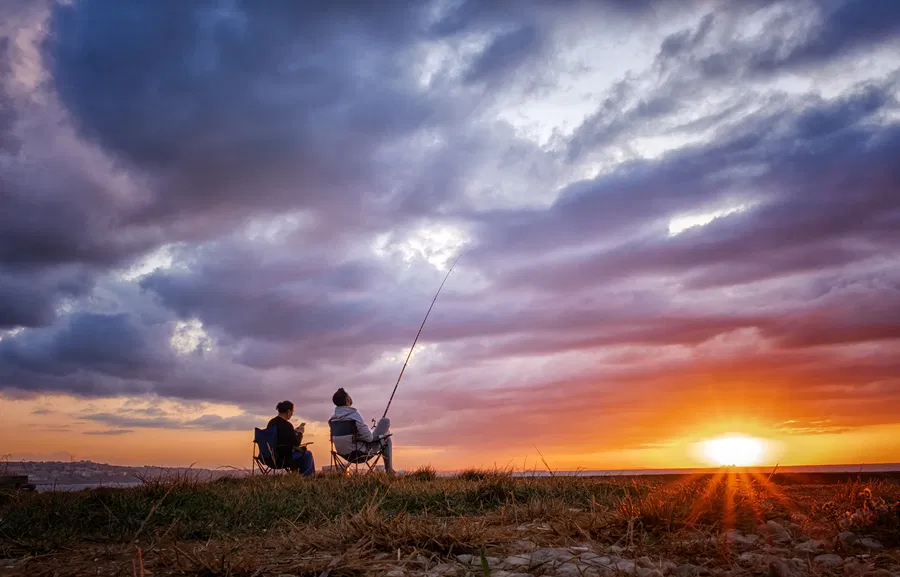

Fishing beginners usually ask this question after a slow day on the water:
“Was it me… or was it the time?”
The truth is, timing matters — sometimes more than your lure choice, your rod, or even your casting skill. Fish don’t operate on human schedules. They don’t care that it’s your only free Saturday at 2 PM.
They respond to light, temperature, pressure, and feeding windows.
The good news? Once you understand why certain times work better, fishing stops feeling random — and starts feeling predictable. If you want the full fundamentals map (gear → simple setups → bites → hook sets → landing), the Fishing Basics Guide ties everything together in one place.
Why Time of Day Matters More Than Beginners Think#
Many beginners assume fish are either “there” or “not there.” But fish are almost always somewhere nearby. The real difference is how active and willing to feed they are.
Time of day changes their comfort level, visibility, and energy. And those changes directly affect your chances.
Fish Follow Light, Not the Clock#
Fish don’t own watches — but they absolutely react to light.
Low-light periods (early morning and evening) make fish feel safer. They can hunt while being less visible to predators. That’s why these windows are often called “feeding times.”
Bright midday sun, especially in clear shallow water, can push fish deeper or into cover. They’re still there — just less aggressive and harder to trigger.
So when someone says, “Fish bite at sunrise,” what they really mean is:
Fish respond to changing light conditions.
And that’s something you can plan around.
How Temperature Affects Fish Activity#
Fish are cold-blooded. Their energy level depends on water temperature.
In summer, shallow water heats up fast by midday. Some species slow down or move deeper where it’s cooler. In colder seasons, the warmest part of the day may actually be better.
Temperature shifts don’t just affect comfort — they affect metabolism. A fish in ideal temperature feeds more actively. Outside that range, it becomes cautious and slow.
Beginners often mistake low activity for “no fish.” In reality, it’s often just temperature influencing behavior.
Why “Any Time” Sometimes Works — But Not Always#
Here’s the honest part: you can catch fish at almost any time.
But certain windows stack the odds in your favor.
If fish are already feeding, you don’t need perfect technique. If fish are inactive, you could make the perfect cast ten times and still get nothing.
That’s why beginners who fish early mornings often improve faster. They get more bites, which builds skill and confidence.
It’s not magic.
It’s timing.
Early Morning: The Beginner Advantage#
If there is one time window that consistently helps beginners succeed, it’s early morning.
You don’t need perfect technique. You don’t need advanced lures. You don’t even need great accuracy.
You just need fish that are actively feeding — and early morning often gives you exactly that.
From first light through the first couple of hours after sunrise, many species are shallow, moving, and willing to chase.
For beginners, that’s a gift.
Low Light Means More Confident Fish#
Low light reduces visibility in the water. That means fish feel safer moving into open areas and feeding more aggressively.
Predatory fish rely on the element of surprise, and dim conditions give them an advantage. As a result, they’re more likely to strike moving baits and react quickly.
For a beginner, this creates more clear bites instead of subtle taps.
It also means slightly imperfect presentations are forgiven. Your retrieve doesn’t have to be flawless. Your cast doesn’t have to land like a feather.
In low light, fish are simply less cautious.
Calmer Water and Less Pressure#
Early mornings often bring calmer wind and fewer people on the water.
Less boat traffic. Less shoreline noise. Less disturbance overall.
Fish that haven’t been pressured all day are more relaxed and less spooky. That matters more than most beginners realize.
Calm water also makes it easier to:
- See line movement
- Watch your rod tip
- Detect subtle bites
Everything becomes simpler when the water is quiet.
Why Morning Builds Confidence Fast#
Confidence in fishing usually comes from one thing: getting bites.
Morning sessions tend to produce more action for beginners, which reinforces learning.
You feel the bite. You practice hook sets. You fight fish. You land them.
That repetition accelerates improvement.
Even if you can’t always fish at sunrise, experiencing those productive windows early in your fishing journey helps you understand what “active fish” actually feel like.
And once you recognize that feeling, you’ll know when conditions are working in your favor.
Evening: The Second Prime Window#
If morning is the classic beginner-friendly window, evening is its equal — and in some situations, it can be even better.
As the sun begins to drop, light levels decrease gradually, water temperatures stabilize, and many species move back into feeding zones after spending the bright hours deeper or under cover. This transition period often triggers a noticeable shift in activity, and beginners who stay on the water long enough to experience it quickly understand why experienced anglers love the last two hours of daylight.
Evening also tends to feel less rushed. You’ve already gone through the day, you’re more relaxed, and you’re not racing a sunrise. That calmer mindset alone can improve your focus and presentation.
Falling Light and Feeding Behavior#
As daylight fades, fish become more comfortable moving into shallower areas to hunt. The lower light reduces their exposure to predators and increases their confidence when striking prey. This is especially noticeable with predatory species that rely on ambush tactics.
In practical terms, that means more decisive strikes and fewer timid pecks. Bites often feel clearer, and fish are more likely to commit fully instead of just investigating your bait.
The gradual dimming of light also gives beginners more time to adapt compared to sunrise. Instead of a sudden change from dark to bright, evening transitions more smoothly, allowing you to observe how fish behavior shifts over time.
When Evening Can Be Even Better Than Morning#
In some locations, evening outperforms morning simply because the water has warmed slightly throughout the day. That small temperature increase can stimulate feeding activity, particularly in cooler seasons.
Additionally, if a body of water receives heavy morning pressure, the evening window may actually be less crowded. Fewer anglers, fewer boats, and less shoreline disturbance can translate into more relaxed fish and better opportunities.
For beginners, evening sessions often provide a balance between good fish activity and a comfortable learning pace. You can experiment with retrieves, observe surface movement in changing light, and build confidence without feeling rushed.
If you can only choose one time to fish consistently, early morning and late evening remain the most reliable starting points. They don’t guarantee success — nothing in fishing does — but they significantly increase the odds in your favor.
Midday Fishing: Is It Always Bad?#
Midday fishing has a reputation problem.
Many beginners hear that “fish don’t bite in the middle of the day” and assume the entire window between late morning and late afternoon is pointless. That’s not entirely true. Midday can be slower, especially in clear and shallow water under bright sun, but it is not automatically unproductive.
What changes is not the presence of fish — it’s their positioning and behavior.
Understanding those shifts helps you adapt instead of packing up early.
When Bright Sun Slows Everything Down#
In bright, direct sunlight, especially during warm months, fish often move deeper or closer to structure such as submerged logs, rocks, weed lines, or dock shade. Light penetration increases visibility, which makes fish more cautious and less likely to chase aggressively.
In shallow water, this effect can be noticeable. You may see fewer surface strikes and more subtle bites. Fish are still feeding, but they are doing so more selectively.
For beginners, this feels like “nothing is happening,” when in reality the activity simply becomes less obvious.
Situations Where Midday Still Produces#
Midday can still be productive under certain conditions.
Cloud cover reduces light intensity and often extends feeding behavior. Wind can break up the surface, making fish feel less exposed and pushing baitfish toward specific shorelines. Moving water — such as rivers or tidal systems — may continue producing throughout the day because current keeps oxygen levels stable and food moving.
Deeper lakes and reservoirs also allow fish to remain active at depth, even when the surface is bright and warm.
Midday fishing isn’t dead. It just requires more intention.
Adjustments That Make Midday More Effective#
If you must fish during the brightest part of the day, focus on adapting rather than forcing early-morning tactics.
Target shaded areas, deeper water, or visible structure. Slow your presentation slightly and allow your bait to spend more time in likely holding zones. Instead of covering water quickly, concentrate on precision and depth control.
Midday fishing teaches patience and awareness. While it may not provide constant action, it can sharpen your ability to read conditions and adjust your approach — which ultimately makes you a better angler overall.
How Weather Changes the “Best Time”#
If time of day sets the stage, weather decides how dramatic the performance will be.
Two identical mornings can fish completely differently depending on cloud cover, wind, and recent pressure changes. Beginners often focus only on the clock, but experienced anglers watch the sky just as carefully as they watch the water.
Weather doesn’t just influence comfort — it directly changes fish behavior.
Cloud Cover and Overcast Advantages#
Cloudy conditions often extend productive fishing windows.
When the sky is overcast, light penetration is reduced, which makes fish feel less exposed. This can stretch feeding behavior well beyond the usual sunrise and sunset windows. On cloudy days, midday can suddenly feel like early morning.
Overcast conditions also soften shadows and reduce the sharp contrast that can make fish cautious in clear water. For beginners, this often translates into more forgiving conditions and more consistent bites.
Bright blue skies aren’t bad — but cloud cover frequently increases opportunity.
Wind That Activates Fish#
Many beginners avoid wind, assuming calm water is always better. In reality, moderate wind can improve fishing.
Wind pushes surface food and baitfish toward certain shorelines. That concentration attracts predators. Slight surface disturbance also reduces visibility, allowing fish to move and strike with more confidence.
Instead of fighting the wind, smart beginners learn to fish into it strategically, targeting wind-blown banks where food naturally gathers.
Wind changes positioning.
And positioning changes success.
Before and After a Storm#
Pressure changes around storms can influence feeding behavior.
Before a storm, falling pressure sometimes triggers increased activity. Fish may feed more aggressively in what feels like a short window of opportunity. After a storm passes, activity can temporarily slow as conditions stabilize.
However, heavy rain can also increase water movement, bring nutrients into lakes and rivers, and stimulate feeding in certain systems.
The key lesson for beginners is simple: weather shifts behavior, but it rarely eliminates fish entirely.
Instead of asking, “Is this a bad day to fish?” a better question is, “How are conditions changing where fish might position themselves today?”
Weather doesn’t cancel fishing.
It reshapes it.
Seasonal Differences Beginners Don’t Notice#
Time of day doesn’t exist in isolation. It behaves differently depending on the season.
Many beginners focus on sunrise and sunset as fixed rules, but seasonal temperature shifts change how fish respond to light and feeding windows. A productive morning in spring may not behave the same way in mid-summer, and winter can flip expectations entirely.
Understanding these seasonal differences prevents frustration and helps you adapt instead of assuming something is wrong.
Spring and Fall Feeding Windows#
Spring and fall are often considered prime fishing seasons because water temperatures sit in comfortable ranges for many species.
In spring, warming water increases metabolism. Fish move shallower, feed more actively, and respond strongly during morning and evening light transitions. Late morning can also remain productive as temperatures stabilize.
Fall often mirrors spring in activity. As water cools from summer highs, fish feed more aggressively in preparation for colder months. Low-light windows remain powerful, but mid-morning and late afternoon can also produce consistent bites.
These transitional seasons are forgiving for beginners because feeding behavior is more consistent throughout the day.
Summer Heat Adjustments#
Summer changes the equation.
In hot weather, shallow water heats quickly, especially under direct sun. Early morning becomes even more important because fish often move deeper or seek heavy cover by midday. Evening can also bring a noticeable shift as temperatures drop slightly.
If fishing during midday in summer, focusing on deeper structure, shaded areas, or moving water becomes more important. Fish are still present — they’re simply conserving energy and avoiding heat stress.
In summer, timing tightens. The best windows often become shorter but more intense.
Cold Water Timing in Winter#
Winter slows everything down.
Cold water reduces metabolism, which means fish feed less frequently and move more slowly. However, this doesn’t mean sunrise is always best. In very cold conditions, the warmest part of the day — often late morning to early afternoon — can be more productive than early dawn.
Sun exposure can slightly raise shallow water temperatures, creating small feeding opportunities.
Winter fishing rewards patience and slower presentations. The timing window may shift later in the day, and bites may feel more subtle.
Seasonal awareness prevents beginners from blindly following “rules” that don’t match current conditions.
Fish react to temperature first.
Light is simply part of the equation.
Freshwater vs Saltwater Timing Differences#
Time of day matters in both freshwater and saltwater — but saltwater adds another variable that beginners often overlook.
In lakes and ponds, light and temperature are usually the main drivers of feeding behavior. In saltwater, movement becomes just as important as light. The water itself is constantly shifting, and that movement affects where fish position and when they feed.
Understanding the difference keeps you from applying freshwater logic to the ocean and wondering why nothing makes sense.
Why Tides Matter in Saltwater#
In saltwater, tides can override the clock.
Moving water brings oxygen, baitfish, and nutrients. Predatory fish often position themselves where current funnels food toward them. As a result, certain tidal phases — especially incoming or outgoing tides with active movement — can trigger feeding regardless of whether it’s morning, afternoon, or evening.
Low-light periods still matter in saltwater, but tidal flow often determines whether fish are active at all.
For beginners, this means checking tide charts can be just as important as checking sunrise and sunset times. Fishing during slack tide, when water movement is minimal, may feel slow even if you’re there at “prime time.”
Lakes and Ponds vs Moving Water#
In freshwater lakes and ponds, fish respond primarily to light levels, temperature, and structure. Early morning and evening remain strong starting points because those conditions consistently influence behavior.
In rivers and moving freshwater systems, current plays a role similar to tides in saltwater. Fish often position themselves in predictable holding areas where food drifts past, and feeding can occur throughout the day if current remains steady.
The key difference is movement.
In still water, light and temperature dominate timing decisions. In moving water — whether tidal or river-based — flow becomes a central factor.
Beginners who understand this shift adapt faster and stop blaming the clock for what is actually a current issue.
Signs It’s a Good Time to Fish (Even If You’re Not Sure)#
Sometimes you don’t have perfect timing information. You didn’t check the tide. You don’t know the exact sunrise window. Maybe you just arrived at the lake because that’s when your schedule allowed it.
That’s fine.
The water itself often tells you whether it’s worth staying.
Instead of relying only on the clock, beginners can look for real-world signals that fish are active. When you start noticing these signs, fishing feels less like guessing and more like reading clues.
Visible Surface Activity#
Surface disturbance is one of the clearest signals.
Look for:
- Small splashes
- Baitfish flicking near the surface
- Ripples that don’t match the wind pattern
- Occasional boils or swirls
Even subtle surface movement can indicate feeding behavior below. Fish pushing bait upward often reveal themselves without fully breaking the surface.
If the water looks alive, it usually is.
Birds, Baitfish, and Movement#
Birds are often better fish finders than beginners.
If birds are diving or hovering over a specific area, there is usually baitfish activity below. Where bait gathers, predators follow.
You may also notice schools of small fish moving near docks, weed lines, or shoreline edges. That movement signals food presence, which increases your odds of finding larger fish nearby.
Still water with no visible life doesn’t always mean no fish — but visible activity significantly improves confidence.
Subtle Clues Most Beginners Miss#
Not all signs are dramatic.
Wind pushing toward one shoreline can concentrate food. Slight current around structure can create invisible feeding lanes. Shaded areas may hold fish even when the rest of the water looks quiet.
Sometimes the clue is simply consistency — repeated small taps in one area, or one particular depth producing attention.
Fishing improves when you stop asking, “Is this the right time?” and start asking, “What is the water showing me right now?”
The clock matters.
But observation matters more.
What If You Can Only Fish at One Time?#
Not everyone has the luxury of choosing sunrise or sunset. Work schedules, family commitments, and weather constraints often dictate when you can fish. If your only available window is midday on Saturday, that’s not a limitation — it’s simply your reality.
The mistake beginners make is waiting for “perfect” conditions instead of learning to adapt to the conditions they have.
Fishing skill develops faster when you practice under varied circumstances. If you only fish during textbook windows, you’ll never learn how fish behave outside them.
Making the Most of Limited Schedules#
If you can only fish at a fixed time, build your strategy around that window.
For example:
- Midday in summer? Target deeper water or heavy shade.
- Late afternoon only? Focus on structure that transitions into feeding zones.
- Short after-work sessions? Choose spots close to home to maximize time casting.
Consistency matters more than ideal timing. Fishing regularly at one time helps you recognize patterns specific to that window.
Instead of comparing your results to someone fishing at sunrise, compare today’s trip to your last trip at the same time.
Patterns emerge through repetition.
Adapting Instead of Waiting for “Perfect” Conditions#
There is no universal perfect time.
There are better probabilities, yes — but fish feed every day under a wide range of conditions. Anglers who adapt catch fish in less-than-ideal situations because they adjust depth, presentation, and location rather than blaming the clock.
Waiting for perfect conditions often delays learning. Fishing imperfect conditions builds understanding.
If you only have one time available, treat it as your training ground. Study how light hits the water at that hour. Notice where shade forms. Pay attention to wind direction and movement.
Over time, that once “inconvenient” time slot becomes predictable.
And predictability is what fishing is really about.
The Simple Rule Beginners Should Remember#
After all the talk about sunrise, sunset, tides, seasons, pressure systems, wind direction, and temperature swings, it’s easy to feel like fishing requires a weather degree and three apps open at all times.
It doesn’t.
Timing matters, yes. But obsession doesn’t help. If you’re at the very beginning and want the complete step-by-step path from “I’ve never fished before” to landing your first fish, start with How to Start Fishing and build from there.
The simplest rule beginners should remember is this: fish when you can — and pay attention while you do it.
Fish When You Can — Learn the Patterns#
If you wait for perfect conditions, you’ll fish less.
If you fish regularly — even at “imperfect” times — you’ll start noticing patterns. You’ll recognize how your local water behaves in different light. You’ll see how wind shifts fish positioning. You’ll learn when bites feel aggressive and when they feel cautious.
Those observations build skill far faster than chasing ideal sunrise photos.
Early mornings and evenings improve your odds. Tides matter in saltwater. Seasons shift feeding windows. All of that is true.
But none of it replaces experience.
Fishing improves when you stop asking, “Is this the perfect time?” and start asking, “What is happening right now?”
The best time to fish as a beginner is the time that allows you to learn consistently. Low-light periods stack the odds in your favor, but growth comes from repetition, observation, and adjustment.
You don’t need perfect timing to catch fish.
You need awareness.
And that only develops by being on the water.